

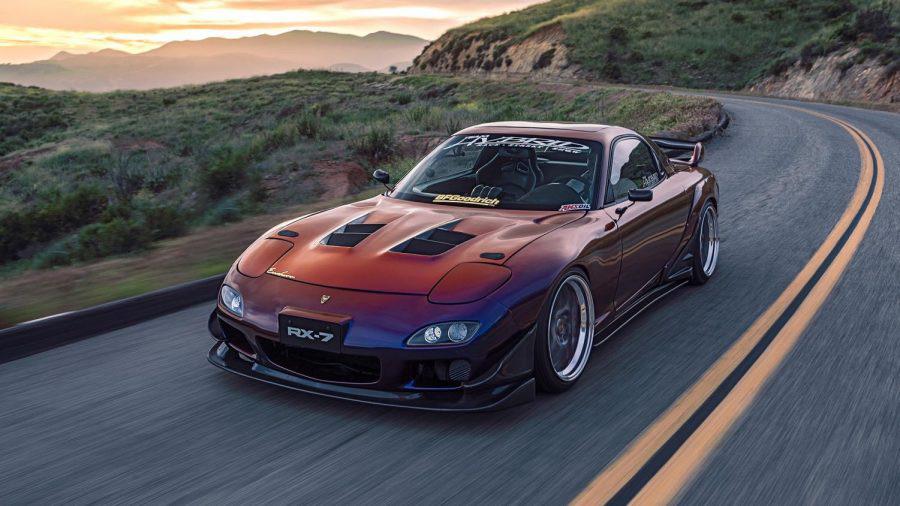
JDM and Mazda: Driving Innovation in Japan’s Automotive Identity
Mazda, a key player in JDM (Japanese Domestic Market) culture, is known for its performance-oriented vehicles and innovative engineering. JDM culture, encompassing both the vehicles themselves and the enthusiast community, celebrates Japanese car design, tuning, and motorsports. Mazda’s contributions to JDM culture are significant, particularly with models like the RX-7 and MX-5 (Miata), which are highly regarded by enthusiasts for their performance capabilities and unique designs.
Key aspects of Mazda and JDM culture:
- Performance and Innovation:Mazda has consistently produced vehicles with a focus on performance, exemplified by models like the RX-7 with its rotary engine and the MX-5, known for its lightweight design and engaging driving experience.
- Tuning and Modification:JDM culture thrives on modification and personalization. Mazda vehicles, particularly those from the 1980s and 90s, are popular platforms for aftermarket tuning, with enthusiasts enhancing performance and aesthetics.
- Iconic Models:The Mazda RX-7, especially the FC and FD generations, is a cornerstone of JDM culture, known for its rotary engine and distinctive styling. The MX-5 (Miata) is another iconic model, celebrated for its affordability, fun-to-drive nature, and aftermarket support.
- Drifting:Mazda vehicles have played a significant role in the development of drifting culture, with models like the RX-7 being favored for their balance and handling characteristics.
- Community and Lifestyle:JDM culture is more than just cars; it’s a community of enthusiasts who share a passion for Japanese automotive design, performance, and modification.
- Traditional Japanese Beauty:Mazda also draws inspiration from traditional Japanese aesthetics in its vehicle design, emphasizing elegance and a “less is more” approach